Flag of Golf Club Logo Vector Vintage Graphics
First Impressions and Emotional Tone
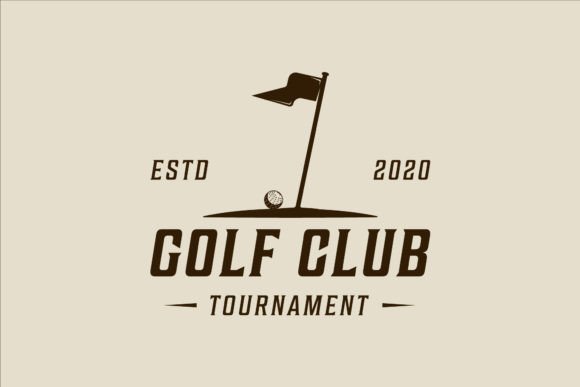
The flag of golf club logo vector vintage immediately evokes a sense of nostalgia and tradition. Its retro aesthetic suggests a brand rooted in heritage, which can be powerful for industries that value history and craftsmanship. The design feels warm and approachable, making it ideal for brands targeting older demographics or those looking to create a cozy, handcrafted vibe.
Mood and Audience Perception
This graphic design asset brings a nostalgic mood that can resonate with audiences who appreciate classic styles. It's particularly well-suited for lifestyle brands, boutique retailers, and small businesses aiming to stand out in a modern market with a touch of vintage charm. The flag of golf club logo vector vintage may also appeal to golf enthusiasts, adding a layer of relevance for niche markets.
Visual Consistency and Brand Identity
When integrated into a brand’s visual identity, the flag of golf club logo vector vintage can serve as a consistent symbol across multiple platforms. It works well as a logo design, especially for clubs, tournaments, or seasonal promotions. The design’s simplicity allows it to adapt easily to various formats, from social media graphics to packaging design.
Hero Graphics and Campaign Headers
The flag of golf club logo vector vintage is an excellent choice for hero images in marketing campaigns. Its bold yet vintage style makes it stand out in digital ads and website headers. When used in digital ads, it helps create a strong first impression without overwhelming the viewer.
Social Media Graphics and Content Kits
This graphic design asset fits seamlessly into content kits for social media managers and bloggers. Whether it’s a Canva template or a printable design, the flag of golf club logo vector vintage adds character to Instagram posts, Pinterest pins, and Facebook ads. It’s especially useful for creating thematic content around golf events or seasonal promotions.
Editorial Design and Web Layouts
The flag of golf club logo vector vintage can enhance editorial layouts and web design by adding a decorative element without overshadowing the main message. It works well as a branding element in blog graphics, email banners, and website headers. When paired with a clean font, it maintains professionalism while adding visual interest.
Formal Branding and Minimalist Designs
The flag of golf club logo vector vintage should be used with caution in formal corporate branding or overly minimal designs. Its vintage style might clash with a brand’s modern or sleek aesthetic. For brands that prioritize simplicity, this graphic design asset could feel too ornate or outdated.
Small Mobile Graphics and Low-Contrast Backgrounds
In mobile environments or on low-contrast backgrounds, the flag of golf club logo vector vintage may lose its impact. It’s important to test how it performs in different contexts, especially when used in social media graphics or digital ads. Ensuring readability at smaller sizes is crucial for maintaining brand visibility.
Testing with Brand Color Palettes
Before finalizing use, test the flag of golf club logo vector vintage with your brand’s color palette. It should complement, not compete, with other design elements. Checking its appearance in black and white is also essential to ensure it remains recognizable in monochrome settings.
Comparing with Competitor Visuals
Review how the flag of golf club logo vector vintage stacks up against competitor visuals. A unique design can help differentiate your brand, but it must still align with your overall brand identity and marketing visuals.
Commercial Licensing and Usage Rights
Always confirm the commercial license before using the flag of golf club logo vector vintage in paid campaigns or client work. This ensures you’re compliant with usage rights and avoid potential legal issues.
Conclusion and Strategic Value
The flag of golf club logo vector vintage is a versatile graphic design asset that offers both style and functionality. It supports a wide range of marketing strategies, from content marketing to visual hierarchy in branding materials. By understanding its strengths and limitations, designers and marketers can effectively integrate it into their workflow, enhancing audience trust and campaign performance.